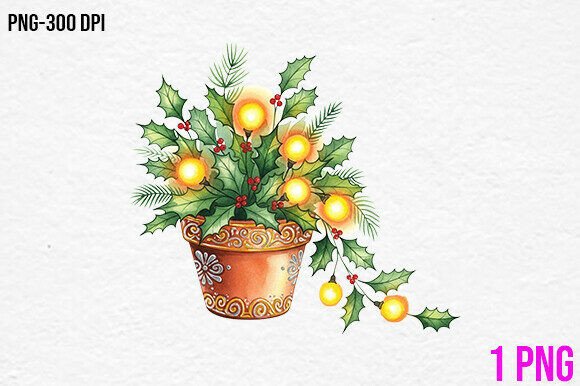
Candy Cane Holly Embroidery Review
As a designer who spends more time troubleshooting stitch errors than admiring finished products, I approach every new digital asset with a healthy dose of skepticism. The market is flooded with clipart that looks charming on screen but falls apart under the needle. That is exactly why I took Christmas Candy Cane Holly PNG Clipart for a rigorous test run before deciding whether it deserves a spot in my commercial library or gets deleted from my hard drive.
I am not just looking at aesthetics here; I am looking at structural integrity, stitch density potential, and how well this design translates from a flat pixel grid into three-dimensional thread work. If you are an Etsy seller, a boutique owner, or a hobbyist preparing for the holiday rush, you need to know if this illustration will hold up to real-world wear and tear. Here is my honest evaluation of how this design performs in actual embroidery projects.
First Impressions and Visual Personality
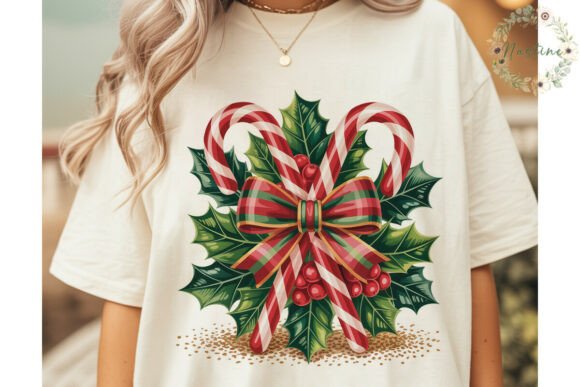
The moment you load the file, the mood is immediately established. This isn’t a subtle, minimalist winter motif; it is bold, festive, and unmistakably seasonal. The combination of the classic candy cane curve with the sharp, organic lines of holly creates a dynamic contrast that works exceptionally well for holiday-themed merchandise. Visually, it feels balanced. The negative space is handled intelligently, which is the first green flag for any machine embroidery design.
For designers, the visual personality suggests versatility. It feels equally at home on a cozy, oversized sweatshirt as it does on a delicate baby onesie. The shapes are distinct enough that they won’t blur together when scaled down, yet detailed enough to look premium rather than cheap. When I first previewed the layout, I immediately thought about custom tote bags. The central focus of the design allows for a large, impactful placement on the front panel, while smaller iterations could easily serve as decorative accents on side pockets or straps.
Real-World Application: From Screen to Stitch
Let’s talk about execution. I tested this design across several common substrates to see how it handles different fabric textures and garment types. The results were largely positive, but there are specific use cases where this design shines and others where caution is required.
Custom Apparel and Sweatshirts
This is perhaps the strongest use case. On a fleece-lined hoodie or a heavy cotton crewneck, the design holds its shape beautifully. The thick lines of the candy cane and the solid fill of the holly leaves provide excellent coverage. When stitched out, the texture of the thread interacts nicely with the soft pile of the fabric, creating a tactile experience that customers love. It elevates a basic blank garment into a personalized gift item without feeling overly cluttered.
Tote Bags and Aprons
For craft business owners, canvas totes and kitchen aprons are bread-and-butter items. This design works wonderfully here because the high contrast ensures readability even on textured fabrics. However, if you are using a dark-colored canvas, you must ensure your thread colors pop. A light pink or white candy cane against black canvas can sometimes lose definition if the stitch density is too low. I recommend increasing the stitch density slightly for dark backgrounds to maintain clarity.
Baby Items and Nursery Decor
There is a gentle charm to this clipart that makes it suitable for baby clothes and nursery wall hangings. The rounded edges of the candy cane soften the overall look, making it less aggressive than traditional Christmas motifs. For embroidered patches intended for baby bibs or bonnets, the design scales down effectively. Just be mindful of the hoop size; you do not want to stretch delicate baby knits too tightly during the stitching process.
Where to Exercise Caution
No design is perfect for every situation. There are specific scenarios where Christmas Candy Cane Holly PNG Clipart might present challenges:
- Small Hoop Sizes: While the design is scalable, extremely small placements (under 2 inches) may result in lost detail. Tiny berries or thin stems might merge together, creating a muddy blob rather than a crisp image. Test your minimum viable size before committing to bulk production.
- Stretchy Fabrics: If you are embroidering on stretchy jersey knits or spandex blends, the stability of this design relies heavily on your choice of stabilizer. Without proper backing, the tension of the stitches can cause puckering, distorting the curved lines of the candy cane.
- Curved Surfaces: Attempting to stitch this directly onto a curved cap crown requires advanced technique. The flat nature of the original illustration may not lay perfectly flat on a highly curved surface unless you use a specialized cap frame and adjust the digitizing for curvature.
- Dense Stitch Areas: If you plan to use heavy fill stitches for the holly leaves, ensure your fabric can support the weight. Thin fabrics like silk or lightweight polyester may show the stiffened back of the embroidery through to the front, which can feel uncomfortable against the skin.
Design Notes for Professional Results
To get the most out of this digital embroidery file, you need to treat it as a starting point, not a final solution. Here are my practical tips for achieving a professional finish:
- Test on Scrap Fabric: Never go straight to the final product. Stitch the design on a scrap piece of the same fabric type to check for color bleeding, fabric distortion, and stitch alignment.
- Check Thread Color Contrast: Run a black-and-white mockup of your design with your chosen thread colors. This helps you visualize how the elements will separate once stitched. If the red candy cane and green holly have similar tonal values, they may blend together visually.
- Review Stitch Density: Look closely at the digitizing. Are the satin stitches clean? Is the fill stitch dense enough to cover the fabric but not so dense that the needle breaks? Adjusting these settings manually can save you hours of rework.
- Confirm Licensing: Before listing this as part of your handmade product line or selling digital previews, double-check the license terms. Some clipart is restricted to personal use only. Ensuring you have commercial rights protects your small shop from legal issues.
- Use Proper Stabilizer: The choice of stabilizer is just as important as the design itself. For woven fabrics, a cut-away stabilizer provides lasting support. For knits, a tear-away might suffice for lighter designs, but a wash-away could be better for complex details to avoid residue.
Final Verdict on Value and Appeal
Does Christmas Candy Cane Holly PNG Clipart add value to your portfolio? Absolutely. It hits the sweet spot between traditional holiday imagery and modern, clean design. For designers, it offers a reliable foundation for creating high-margin items like holiday gift sets, boutique branding materials, and seasonal decor.
From a customer perspective, the design communicates warmth and festivity instantly. It is recognizable, aesthetically pleasing, and fits seamlessly into the broader category of holiday embroidery trends. Whether you are creating a single personalized gift for a friend or mass-producing inventory for an Etsy shop, this design has the versatility to perform well.
However, success depends on your preparation. By paying attention to stitch density, fabric choice, and proper stabilization, you can transform this simple illustration into a stunning finished product. It is a solid addition to any embroiderer’s toolkit, provided you respect the technical limitations of the medium. If you are ready to bring some festive cheer to your next project, this clipart is a strong candidate for consideration—just remember to test, tweak, and trust your instincts.