Christmas in July Highland Cow PNG Review
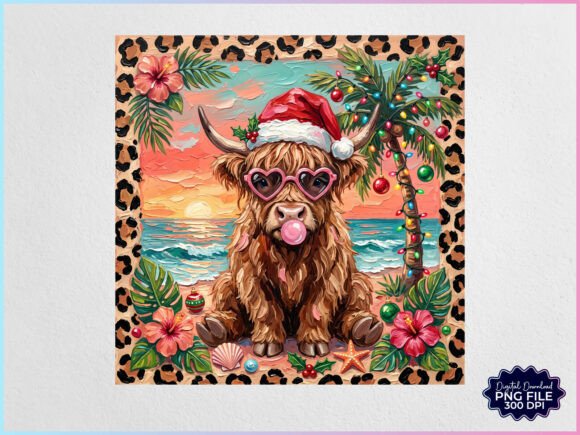
As an embroidery designer who spends more time than I care to admit staring at stitch density charts and testing thread tensions, I don’t just look at a design file; I look at how it will behave under the needle. When I first pulled up Christmas in July Highland Cow PNG, my immediate reaction wasn't about the holiday theme—it was about the silhouette. The highland cow is a staple in modern crafting for a reason: the shaggy hair provides natural texture that translates beautifully into machine embroidery, provided the design is balanced correctly.
This particular piece falls squarely into the Illustrations category, but its potential extends far beyond a simple digital download. It carries a whimsical, cozy energy that feels perfect for the "Christmas in July" mid-year sales push. But does it work as a serious commercial asset? Let’s break down how this design performs when moving from screen to fabric.
The First Impression: Mood and Visual Personality
The moment you see Christmas in July Highland Cow PNG, it evokes a specific kind of warmth. It isn’t trying to be a traditional, stiff holiday image. Instead, it leans into the quirky charm that has made the highland cow a favorite among Etsy sellers and craft business owners. The visual personality is approachable and fun, which is exactly what drives engagement on social media and marketplace listings.
From a layout perspective, the composition leaves enough negative space around the subject to allow for flexibility in placement. Whether you are planning a centered chest logo on a sweatshirt embroidery project or a larger graphic on the back of a tee, the focal point remains clear. The festive elements—likely represented by hats, scarves, or subtle holiday colors—are integrated without overwhelming the character. This balance is crucial because too many decorative accents can clutter the stitching process and reduce the clarity of the final finished product.
Real-World Application: Where This Design Shines
I recently evaluated this design with a specific use case in mind: creating a line of summer-to-fall transition apparel. Here is where Christmas in July Highland Cow PNG truly excels in real-life scenarios.
- Custom Apparel and Sweatshirts: The bold lines of the cow translate well onto cotton blends. For a custom apparel line, placing this design on a heather grey or cream sweatshirt creates a soft, inviting aesthetic. It works particularly well as a pocket-sized detail or a full-front print for a casual, boutique feel.
- Tote Bag Designs: Canvas bags are a staple for small shop products. The sturdy fabric holds up well to the various stitch types often found in these illustrations. A large-scale application on a canvas tote makes for a great impulse buy at craft fairs or a popular item in an online store.
- Baby Embroidery and Nursery Decor: The gentle curves and friendly expression make this suitable for baby items. Think onesies, burp cloths, or nursery wall hangings. The "Christmas in July" theme adds a unique twist to seasonal decor, allowing makers to sell holiday-themed goods months before they would typically be relevant.
- Personalized Gifts: Because the design is distinct but not overly complex, it pairs nicely with monograms. Adding a name below the cow on a kitchen towel or apron elevates the item from a generic craft fair trinket to a thoughtful, personalized gift.
Technical Considerations and Stitch Performance
While the visual appeal is strong, a designer must consider the technical execution. Not every machine embroidery design is created equal, and even good files require proper preparation.
When analyzing the structure of this illustration, we have to think about stitch types. The cow's hair likely relies on a combination of fill stitches to create volume and satin stitches for clean edges. If the stitch density is too high, the fabric may pucker, especially on lighter materials. Conversely, if the details are too sparse, the design might look flat and lose its character. It is essential to inspect the small details in the file to ensure they are large enough to be stitched accurately without becoming muddy blobs of thread.
Thread color selection plays a massive role here. To capture the "Christmas in July" vibe, you might opt for traditional reds and greens, but a more contemporary approach could involve pastel tones or muted earthy hues that fit a summer aesthetic. Testing your thread colors against your chosen fabric is non-negotiable. Always check contrast levels, especially if you are working with dark fabrics where light threads might get lost in the weave.
Where to Use With Caution
No design is universally perfect, and there are specific situations where Christmas in July Highland Cow PNG might present challenges. Being aware of these limitations will save you time and material costs.
- Small Hoop Sizes: If you attempt to digitize or embroider this design in a very small hoop (under 4x4 inches), you risk losing definition. Tiny details like facial features or accessory elements may become indistinguishable. Stick to medium to large placements for best results.
- Textured and Stretchy Fabrics: While this design looks great on stable cottons, it can struggle on highly textured fabrics like boucle or stretchy jersey knits unless stabilized properly. On stretchy materials, the tension needs to be carefully adjusted to prevent distortion.
- Curved Surfaces: Applying this to caps or hats requires careful hooping techniques. Flat surfaces like tote bags or aprons are much easier to manage. If you are new to curved surface embroidery, test this design on scrap fabric first to gauge the difficulty level.
- Dense Stitch Areas: If the original file contains large blocks of dense fill stitch, avoid using it on thin fabrics like silk or lightweight polyester, as the weight of the thread may cause the fabric to sag or tear over time.
Practical Designer Notes for Success
Before committing to a production run or listing this as a digital asset, follow these practical steps to ensure quality control.
- Test on Scrap Fabric: Never skip this step. Run the design on the exact fabric type you plan to sell. Check for puckering, thread breaks, and alignment issues.
- Review Stabilizer Choice: The right stabilizer can make or break a project. For woven fabrics, a cut-away stabilizer is usually safest for longevity. For knits, a tear-away might suffice for smaller designs, but always prioritize stability.
- Check Licensing: If you intend to sell finished items, confirm the commercial use rights of the digital embroidery file. Some licenses allow for unlimited physical sales but restrict digital redistribution. Ensure you are compliant to protect your brand.
- Create Printable Mockups: Before stitching, place the design on realistic mockups. See how it looks on a hoodie versus a tote bag. This helps you visualize the handmade product value and marketing potential.
- Inspect Small Details: Zoom in on the file. Are the tiny elements too fine? Will they hold up after multiple washes? Durability is key for customer trust and repeat business.
Final Verdict
Christmas in July Highland Cow PNG is a versatile, charming addition to any embroidery designer’s library. It bridges the gap between seasonal novelty and year-round appeal, making it a smart choice for commercial embroidery projects. Its strong visual identity and adaptable layout make it suitable for a wide range of products, from embroidered patches to aprons.
However, success lies in the execution. By paying attention to stitch density, fabric choice, and proper stabilization, you can transform this digital illustration into a tangible, high-quality product that customers will love. It is not just a cute picture; it is a functional design asset that, when used correctly, can drive sales and enhance your brand’s creative reputation. Just remember to test thoroughly and respect the technical limits of your machine and materials.